I became an entrepreneur by saying yes to a website I didn't know how to build.
In October 2021 I posted a three-minute video that tried to fit about 20 years of being an entrepreneur into one quick story. It was mostly photos and drawings, and me talking over them.
The business case
The way I put it in the video, an entrepreneur is somebody who takes risks and finds their own path in life. My path didn't start with a plan or a degree. It started with a first computer and a website I promised before I knew how to build one.
If you're early and it feels like you're failing, that's the useful part of this story. The growth picture most people carry in their heads is a slow climb and then a hockey stick. My years looked nothing like that. They went up, dropped into a valley, and only climbed out after a lot of failures.
The second point is about help. I said on camera that I got where I was because somebody helped me along the way. That's why I care about helping other people find their own path.
Antigua and a first computer
I grew up in Antigua, in the Caribbean. In 1997 I met my best friend while we did a school project together, and he introduced me to computers.
My first computer had a 300 MHz processor and a 5 GB hard drive. I wanted to go to college. That was my dream and my expectation. I applied, and I didn't get in.
Saying yes before I knew how
After that I took a job selling computers. To be honest, I think I sold two.
Then my boss asked me if I could build a website. I told him absolutely. I had no idea how to build one. What I said was this: if you can get me a book on building a website, I'll learn it and I'll build your site. He got me the book. I sat down and started reading, and I kept going.
Dyslexia, and a title that hid the trouble
I only found this out later in life. When I was teaching myself from that book, I didn't know I had dyslexia. In the video I said it's the reason I'm so slow at reading. I learned a lot anyway, and I built the company its website.
Later I became a shareholder in that company, and a director. From the outside it probably looked like I was raking in money and doing great.
Jump to
- 0:00 Antigua and a first computer
- 0:40 Learning to build a website
- 1:00 Dyslexia and becoming a shareholder
- 1:30 Failing, then a basement in North America
- 2:00 The 2008 recession and the real growth curve
- 3:00 Paying it forward
The whole story runs three minutes and 20 seconds on my channel: How I Became an Entrepreneur, on YouTube.
Failing behind the scenes
Behind the scenes, we were failing left, right and center. We had a whole bunch of clients we couldn't collect money from. We couldn't work out how to grow the business properly.
Then I moved from the Caribbean to North America. I was excited and happy, and life felt good. My first home was a basement apartment. I spent a lot of time down there just learning as much as I possibly could.
I didn't have any friends, because I came alone. The only thing I had was my passion for computers.
Websites for $50 to $100
Then the 2008 recession came, and there were no jobs. I would build websites for $50 or $100, any single thing I could get, just to survive.
At that point it wasn't about growing a business. It was about getting through.
The curve I drew instead
When people think about business, they picture slow growth. You grow a little, make some money, and then you hit the hockey stick.
In the video I drew it the way it looked for me. You start high. You're excited, you've got ideas, you're passionate, and you start going up. Then you go over the other side of that cliff and fall way down into the valley.
Along the way there are a lot of ups and downs. When you get to the other side, you've learned because you failed so many times. That's when you start changing lives.
Somebody helped me
I closed the video with the reason I was telling the story at all. I got where I was because somebody helped me along the way. It matters to me to help other entrepreneurs, or anyone who's struggling or trying to find their way.
If you live outside the US and want to start a US company, I wrote about how non-US founders can set one up. And if money is the part keeping you stuck, here's my plain take on how startup funding works.
Come build with me
I still build in the open. If you want to see the real process and ask questions while it happens, join me live on Friday.
About Dwain
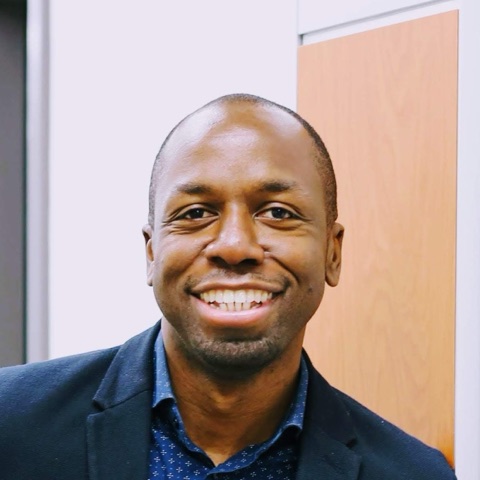
I'm Dwain Browne, Founder of LeadScore AI and SnapSuite. I'm a Toronto-based software architect with 25+ years across software, sales, operations and entrepreneurship. SnapSuite helps contractors and trades teams get paid faster, and LeadScore AI shows you which leads deserve your next call. I also run Vibe Code to Profit, a community helping people build software with AI.